
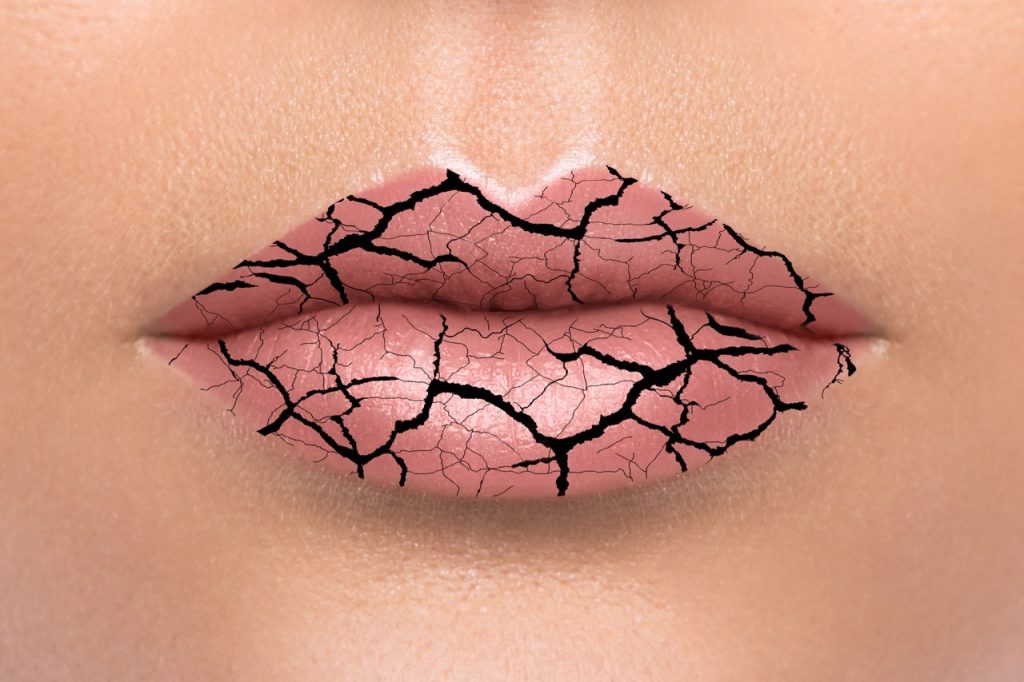
Dry mouth, also known as xerostomia, is more than an inconvenience. Saliva plays a critical role in maintaining oral health. When saliva production decreases, it increases your risk for cavities, gum disease, and discomfort.
At Lifetime Dental Excellence, we regularly help patients manage dry mouth as part of our comprehensive Family Dentistry services.
Why Saliva Matters
Saliva helps:
- Neutralize harmful acids
- Wash away food particles
- Protect enamel from decay
- Support digestion
Without adequate saliva, plaque builds up more easily, increasing cavity risk.
If you are experiencing recurring cavities, a visit to our Preventive Dentistry page can help address underlying causes.
Common Causes of Dry Mouth
Medications
Many prescription medications list dry mouth as a side effect, including antidepressants, antihistamines, and blood pressure medications.
Medical Conditions
Conditions such as diabetes and autoimmune disorders can reduce saliva production.
Cancer Treatments
Radiation therapy affecting the head and neck area can damage salivary glands.
Dehydration and Lifestyle Factors
Not drinking enough water, smoking, and excessive caffeine consumption contribute to dryness.
If dry mouth persists, schedule an evaluation through our Contact Us page for a personalized consultation.
Symptoms of Dry Mouth
Common signs include:
- Sticky or dry sensation
- Difficulty swallowing
- Frequent cavities
- Burning tongue
- Cracked lips
Dry mouth significantly increases your risk of decay. Patients with chronic dryness may benefit from professional fluoride applications available through our Preventive Dental Treatments page.
Effective Solutions for Dry Mouth
Stay Hydrated
Drinking water consistently is the simplest step.
Use Alcohol-Free Products
Alcohol-based mouthwash worsens dryness. Choose alcohol-free, therapeutic rinses.
Chew Sugar-Free Gum
Xylitol gum stimulates saliva while helping reduce cavity-causing bacteria.
Fluoride Protection
Because dry mouth weakens enamel defense, professional fluoride treatments strengthen and protect teeth. You can learn more about this under our Preventive Dentistry services.
Customized Treatment Plans
In moderate to severe cases, prescription saliva stimulants or protective dental treatments may be necessary. If tooth damage has already occurred, our Restorative Dentistry services can repair affected areas.
When to See Your Dentist
Persistent dry mouth should never be ignored. Regular exams allow us to monitor changes and prevent serious complications early.
If you are experiencing dry mouth symptoms, schedule an appointment today through our Online Scheduling page and let our team create a personalized plan for you.
Protecting Your Smile Long-Term
Dry mouth can quietly damage your oral health if left untreated. With proper hydration, professional care, and preventive protection, you can maintain a healthy, comfortable smile for years to come.